How often should you go to the dentist?

When you have good oral hygiene and aren’t experiencing immediate issues with your dental health, it’s easy to forget about booking regular check-ups with your dentist.

It appears that many of us are in the same boat, and according to new research, three-quarters of UK adults (which is roughly 41 million people!) are not visiting an oral health professional as part of their routine.

But how often should you go to the dentist if you have healthy teeth?

Whether you’re avoiding your appointment out of anxiety, cost concerns, or a simple case of forgetfulness, the team at Kiln Lane reveal how often you should be booking in for your dental checkups.

Why are regular dental check-ups so important?

Going to the dentist regularly is vital for a number of reasons, including:

  • Preventive care and cleaning ‒ Professional teeth cleaning with your dentist removes stubborn plaque and tartar buildup that can’t be removed with daily brushing, which helps prevent gum disease, tooth decay, and cavities.
  • Maintaining oral hygiene habits ‒ During your appointments, dentists can provide personalised advice on brushing and flossing your teeth to help you maintain your oral health at home.
  • Early detection of oral health problems ‒ At your dental appointments, your dentist will scan for oral cancer and use X-rays to detect hidden decay, bone loss, or impacted teeth.
  • Protection of overall health ‒ Poor oral health has been linked to serious health conditions, including heart disease, diabetes, and strokes.
  • Potential cost savings ‒ Treating minor dental issues, like mild decay, early is much more affordable than having to address advanced tooth decay or tooth loss later down the line.

So, how often should you visit the dentist?

Most people assume that they should go for routine check-ups every six months, and whilst this is true for many patients, some may need to visit more or less frequently than others, based on individual oral health, individual risk factors, and advice from dentists.

If you have a history of significant dental decay or gum disease, or if you’re pregnant, or have dental implants, you should schedule check-ups every 3-4 months.

Six-monthly check-ups are standard and generally recommended for individuals with healthy teeth and gums to maintain check-ups and professional cleanings.

What happens at a dental check-up?

During a check-up with our dental professionals at Kiln Lane, we’ll carry out a thorough examination of your mouth, which includes checking the health of your teeth, gums, cheeks, tongue, and lips. We’ll look for any signs of tooth decay, gum disease, mouth cancer, and other potential problems, using a small metal instrument to help us get a proper look.

We may also take X-rays to see what’s happening inside your teeth and gums, and gain a clear view of any issues that can’t be seen with a visual examination alone, to help us determine whether you need any additional dental treatment. Plus, if there’s a buildup of plaque on your teeth, we’ll professionally clean them to remove hardened plaque and stains.

Our dentists will also share personalised advice, including brushing techniques, flossing tips, or support to quit smoking if you need it, to help you keep on top of your oral hygiene at home.

Book your next dental visit at Kiln Lane!

Ready to book your next dental check-up?

Whether you’re organised and on top of booking them regularly, or it’s been a while since your last visit to the dentist, our dental experts at Kiln Lane would be happy to help you achieve the happiest, healthiest version of your smile.

To find out more about how we can help, get in touch with our reception team today by calling 01744 25776, or book your appointment online today!
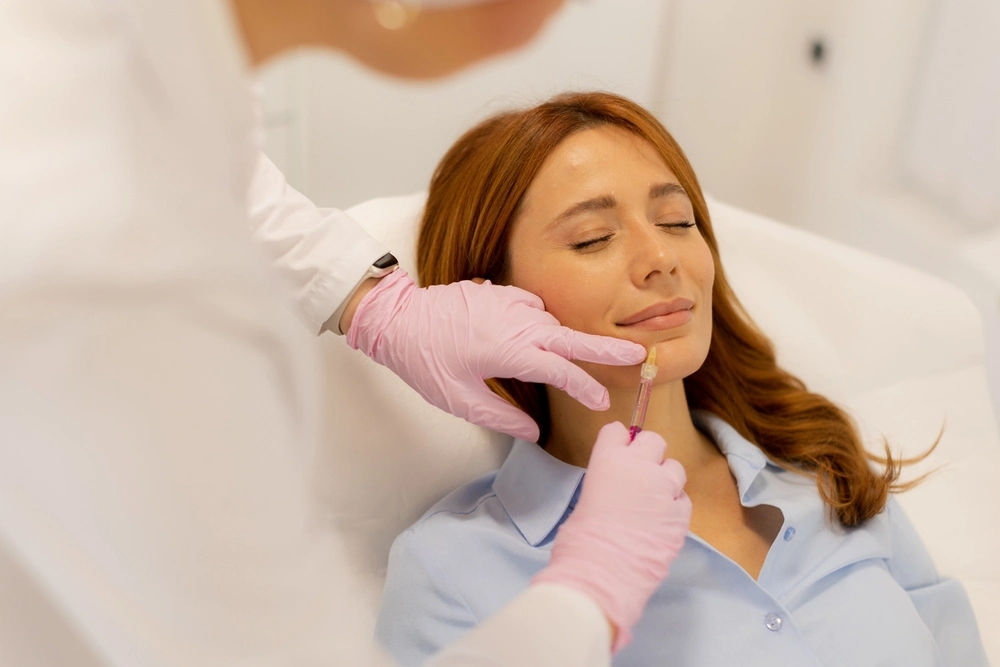
Facial aesthetics for different skin types

Facial aesthetics are a quick and non-surgical way to improve the look of your skin, popular the world over. Given that there are a range of different skin types possible, can this impact which treatments are suitable for you? 

Within this blog, we explore facial aesthetics for different skin types, and what treatments we have on offer here at Kiln Lane Dental to help enhance your appearance.


Why does skin type matter?

Our skin type can determine how we react to different facial aesthetics, such as Botox or lip fillers, which is why it’s essential to consider yours when choosing a treatment. Skin types can affect the following:

  • Healing time
  • Likelihood of side effects such as pain or irritation
  • What product type and application technique you need

Ultimately, knowing your skin type helps beauticians and clinicians to customise your treatment plan and ensure your comfort before and after the facial enhancement.


What are the different skin types?

You’ll currently have one of the following skin types; 

  • Normal – Face is neither dry nor oily, it’s balanced
  • Dry Skin may appear dull, flaky and visibly dehydrated
  • Oily – Face feels greasy and has a sheen, especially around the t-zone
  • Sensitive Skin that is more reactive compared to other types, making it vulnerable to irritation and prone to redness
  • Combination There are areas of the face that are dry (usually the cheeks), and others where it is oily (t-zone)
  • Ageing Skin that has lost elasticity, volume and moisture over time, leading to wrinkles and sagging

It’s important to note that skin type can change over time, so regular skin consultations are a good idea to ensure you know what condition your skin is in.


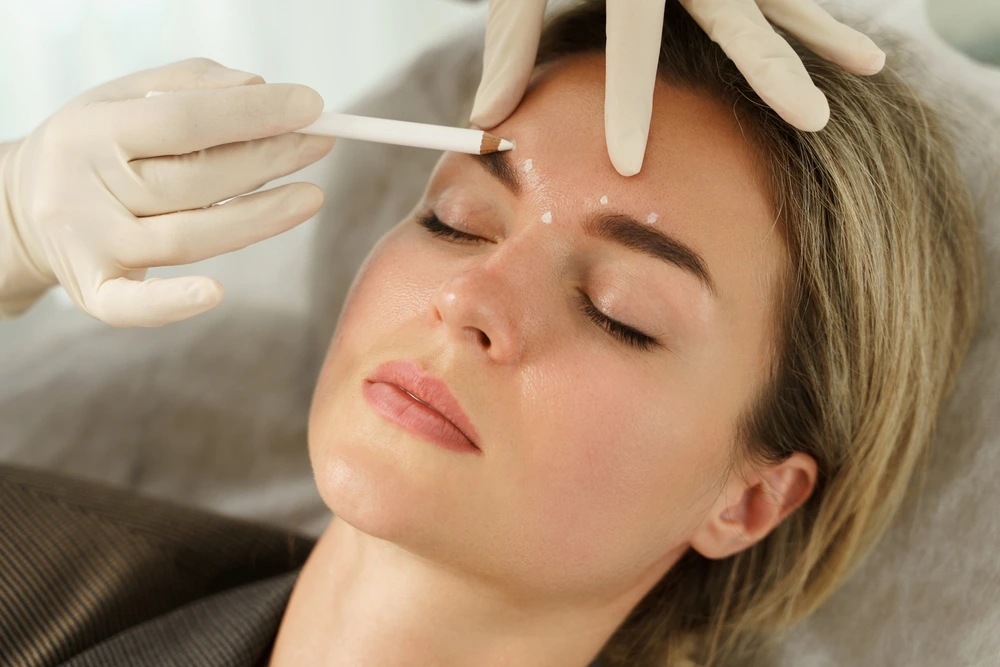
Doctor applying marking for forehead facial aesthetics


What are the risks of getting the wrong treatment for your skin type?

There are several issues associated with receiving facial aesthetics that aren’t suitable for your skin type – they include:

  • Increased risk of irritation, redness, or swelling
  • Uneven or unnatural results, such as overfilling dry skin and causing tightness
  • Aggravation of existing skin conditions, like acne or sensitivity
  • Longer healing periods and potential for infection if the skin barrier is impacted
  • Reduced effectiveness of treatments 
  • Treatment effects don’t last as long as they should
  • Dissatisfaction and discomfort with the final results

Luckily, a qualified beautician or clinician with years of experience in facial aesthetics can identify your skin type and recommend treatments that are best-suited to your needs.


Facial aesthetics for different skin types at Kiln Lane Dental

Here at Kiln Lane Dental, we offer a selection of revitalising and enhancing facial aesthetics, all performed by trained and qualified professionals. 

Botox injections

One of our most popular aesthetic options, Botox injections are a quick, minimally invasive, non-surgical treatment that creates a youthful look by smoothing wrinkles and fine lines and preventing new ones from forming.

It works by injecting a purified protein into the skin to relax specific facial muscles and reduce muscle activity.

Botox is most suited to ageing skin that has lost its youthful, elastic appearance, given its ability to soften and prevent wrinkles. 


Doctor adding lip filler - facial aesthetics


Lip fillers

Another minimally invasive, much sought-after facial aesthetics treatment we offer is lip fillers. This type of dermal filler is used to enhance the lips and smooth fine lines around the mouth. Other reasons to use lip fillers include boosting lip volume and shape, defining the lip border and restoring fullness due to ageing.

Lip fillers are made from hyaluronic acid, which your body already naturally produces to keep the skin hydrated and plump.

These revitalising treatments are suitable for most skin types, and especially mature/ageing skin, which needs rejuvenation.


Book a facial aesthetics consultation

Refresh your appearance and regain lost confidence with facial aesthetics at Kiln Lane Dental.

Contact our helpful reception today on 01744 25776 or online to find out more about our facial aesthetics, or to book a consultation to discuss your tailored treatment plan. Our team is always happy to help and answer any questions you may have.

Crowns vs Bridges vs Implants: What’s Best for Your Missing Tooth?

A missing tooth can severely impact your self-confidence and affect the function of your teeth, eventually harming your overall oral health. The three main restorative options to tackle the gaps left by missing teeth are crowns, bridges, and implants. 

We offer several of these treatments here at Kiln Lane Dental, so why not find out which is best for you? 

Why replacing a missing tooth is important

The gaps in your smile caused by missing teeth can actually have a long-lasting effect on the functioning of your teeth, your dental health, and the appearance of your arch. 

When a tooth is missing, it can cause neighbouring teeth to shift, leading to issues such as: 

  • Misalignment
  • Bite problems
  • The formation of new gaps 
  • A shrinking jawbone – a lack of stimulation from missing tooth roots alters the appearance of your face over time.W
  • A change to dental aesthetics – which can lead to a loss of confidence and the desire to hide your smile. 

This is why it’s essential to replace the tooth as soon as possible, as filling the gap helps to maintain structure, confidence, and your long-term oral health.


What is a dental crown?

A dental crown is a cap placed over an existing tooth, or as part of an implant or bridge. Crowns look and feel just like real teeth, and can be made from various materials, including ceramic and porcelain.

Dental crowns are quicker to fit and are much less invasive than other tooth replacement solutions, such as implants; however, they don’t prevent bone loss, and only work if you have enough healthy tooth left, meaning they can only fill the gap as part of a bridge or implant.


What is a dental bridge?

A dental bridge replaces one or more missing teeth by anchoring crowns to neighbouring teeth with a false tooth in between to fill the gap. The teeth that will support the bridge need to be reshaped beforehand so that the crowns can slot over them.

Using dental bridges to replace missing teeth is a fairly quick treatment and costs less than implants, aesthetically restoring your smile and improving the function of your teeth.

But, bridges require the removal of enamel from potentially healthy teeth, and they don’t stop jawbone loss under the missing tooth, while dental implants do.


What is a dental implant?

A dental implant is a titanium post that is surgically placed into the jawbone to replace a missing tooth root. After surgery, during a process called osseointegration, the titanium fuses to your bone, forming a strong and sturdy bond. An abtument and crown is fitted after the healing process, where the natural tooth would usually be.

Implants preserve bone by stimulating the jawbonelike a normal root does, and it’s also the longest-lasting option that feels and looks very natural. However, implants do come at a high cost and require a longer healing period.


Dental implants vs crowns and bridges

Crowns Bridges Implants
Invasiveness Less invasive – only one tooth needs shaping. Fairly invasive – both neighbouring teeth need to be reshaped. Invasive – involves dental surgery.
Treatment duration 1-2 weeks – crowns can usually be fitted in one appointment. 2-3 weeks – more prep is involved, and your new bridge needs to be made in a dental lab first. 3-6 months – implant treatment is completed in stages, from the initial planning to when the final crown is fitted post-healing.
Bone preservation No No Yes
Average lifespan 10-15 years 10-15 years 20+ years (lifetime)
Average cost £500-£1,300 (depending on the type) £700-£5,700 (depending on its size and the materials used) £2,400-£4,500 per implant
Suitability Only suitable if there’s some remaining tooth to attach to. A more affordable option for those desiring a quicker yet dependable fix. The best choice for patients requiring a long-lasting, durable solution that supports bone health, too. However, they’re the most expensive solution.


Which option is best for you?

To find out which tooth replacement treatment is most suitable for your oral needs and budget, it’s best to book a consultation at Kiln Lane Dental. We’ll assess your oral health, including the site of your missing tooth, the surrounding teeth, and the condition of your bone.

To get in touch, call us today on 01744 775822 or email our team at info@kilnlanedental.co.uk, and we’ll get back to you promptly. 

What cosmetic dental treatment is right for you?

A new and elevated smile can do wonders for your appearance and confidence, which is why cosmetic dental treatments are so in demand. There are several cosmetic procedures available at dental practices such as Kiln Lane Dental, but which is best for you?

Let’s take a look…


What is cosmetic dentistry?

Cosmetic dentistry focuses on improving the aesthetic of your teeth, gums, and smile, boosting overall confidence. This branch of dentistry aims to correct issues such as discolouration, gaps, chips, and cracks that can keep your teeth from looking their best.


Cosmetic dental treatments

Here’s a list of the most popular cosmetic dental treatments that are proven to revolutionise and enhance smiles:

Composite bonding

Also referred to as teeth or dental bonding, composite bonding is a simple and affordable way to enhance the appearance of your teeth. The treatment involves a tooth-coloured composite resin being applied to the surface of your teeth to either reshape, resize or improve their colour. Typically, patients opt for composite bonding to correct or hide imperfections, such as chips, discolouration, and gaps.

Teeth whitening

Teeth whitening treatment is exactly what it says – it’s a cosmetic treatment used to help you achieve a brighter, whiter smile. So, how does it work? Well, a whitening gel such as hydrogen peroxide is applied to the front of the teeth to lighten their shade. 

The way this is done differs depending on the type of treatment you choose. For example, home-whitening usually involves the use of custom trays that slot over your teeth, keeping the gel in place. However, there are whitening procedures that are completed by your dentist, such as Zoom Whitening. A gel will be evenly spread across each tooth, and a special LED light will be used to brighten your smile, leaving you with noticeable results in less than an hour!

Veneers

Designed to completely transform your smile, veneers are one of the most sought-after cosmetic dentistry procedures available. Veneers are custom-made shells that slot over the front surfaces of your teeth, boosting their shape, size, and colour. What’s more, they can hide gaps and improve alignment, too. 


Which cosmetic dental treatment is best for you?

Deciding which cosmetic treatment is the most relevant to you depends on your smile goals, personal needs and budget. The following should help bring you clarity on which you should opt for:

  • Cosmetic bonding – Ideal if you want an affordable way to correct minor imperfections or brighten your teeth. 
  • Teeth whitening – This procedure is perfect for you if you’re happy with the shape, alignment and spacing of your teeth, but want to whiten your smile.
  • Veneers – Veneers are the best option if you want to completely upgrade your smile. They’re more costly than other cosmetic treatments, but are certainly worth the investment given the transformative results they offer.

Or, you can book a consultation with one of our experienced dental professionals, who will assess your teeth and suggest the best treatment for your specific needs.


Speak to us about cosmetic dental treatments

At Kiln Lane Dental, we specialise in some of the most in-demand cosmetic dental treatments around, including composite bonding, teeth whitening and veneers.

If you want to kickstart your smile revolution journey and speak to a dentist with years of experience in the field, go ahead and call us on 01744 25776 or get in touch online. We’ll provide you with all the essential information and book you in for a consultation.

Get the perfect smile for Summer 2025

If you’ll be attending weddings, holidays, festivals, and parties this summer, you need a glowing smile to get you camera-ready and feeling good. 


A fresh smile can completely transform your appearance, leaving you with the confidence to enjoy your social events without a second thought.


So, how can you achieve the perfect smile this summer? Our dental experts at Kiln Lane Dental explain all below!


The benefits of a beautiful smile

  • Boosts your self-confidence a flawless set of teeth is a game-changer, leaving you with the confidence to smile and talk freely without hesitation.
  • Improves how you feel about yourself – having a stunning smile encourages people to smile more, elevating their mood, and encouraging them to view the world more positively. 
  • Enhances your dental health by achieving a more aesthetically pleasing smile, patients often develop a better oral health routine to maintain it, which also improves their dental health. 
  • Increases your trustworthinessaccording to research, people who smile more are deemed more trustworthy. So, if you want to leave a good impression, we highly recommend revitalising your teeth so you can flash those pearly whites with confidence.


Achieving the perfect teeth and smile this summer


Upgrade your smile with popular cosmetic dentistry treatments in 2025

Gaining the smile you’ve always dreamt of this summer is easier than you think – you can instantly upgrade your dental aesthetic with a range of transformative cosmetic dentistry treatments:


  • Teeth Whitening 

Designed to whiten, brighten, and refresh the colour of your teeth, tooth whitening is a non-invasive treatment that reduces the effects of discolouration. 


Dental whitening involves applying a unique whitening gel to the teeth to reverse staining, and is available as an in-house and at-home procedure.


  • Composite Bonding 

A painless procedure with immediate and exceptional results, composite bonding enhances the overall appearance of your teeth. 


The treatment involves applying a tooth-coloured resin to the surface of the teeth to cover minor imperfections, such as chips, cracks, and gaps, and improve their shade.


  • Veneers 

The ultimate way to achieve a straighter smile, veneers offer a complete smile makeover that brightens your smile and alters the size and shape of your teeth. 


Using bespoke caps that fit over your existing teeth, veneers are usually crafted from hard-wearing and natural-looking porcelain.


Book a dental hygienist appointment

If you’re happy with the size, shape, and alignment of your teeth, but wish to boost the feel and cleanliness of your mouth, then booking in with a dental hygienist is the best option for you. 


At your appointment, your mouth and teeth will be professionally cleaned (with a scale and polish) using the latest equipment, removing difficult-to-reach plaque and tartar that taint your smile. 


You’ll also be shown how to clean your teeth correctly at home, enabling you to maintain that fresh feeling and preserve your gums, teeth, and oral health.


Maintain good oral hygiene

Without caring for your teeth, you can’t hope to achieve a clean and healthy smile for summer. 


Maintaining a thorough oral hygiene routine helps to keep your mouth in excellent condition. Do the following to keep your gums, mouth, and teeth in the best possible health:


  • Brush your teeth twice daily for two minutes with fluoride toothpaste
  • Rinse your mouth with a fluoride mouthwash
  • Floss after eating to remove plaque between teeth
  • Drink lots of water throughout the day to rinse away food debris
  • Limit your coffee, tea, or fizzy drink intake


Speak to us about your dream smile this summer

Here at Kiln Lane Dental, we can help you to rejuvenate your smile in time for your summer festivities. Our range of transformational cosmetic dental treatments is extensive and includes popular procedures, such as teeth whitening, composite bonding, and veneers.

To speak to us for more advice or to book a free consultation, call our practice today on 01744 25776 or contact us online, and we’ll be in touch ASAP.

What Problems Can Cosmetic Dentistry Help With?

Cosmetic dentistry is often seen as something purely for looks — but for many people, it’s about fixing things that have been bothering them for years.

This could be discoloured teeth, chips, gaps, or teeth that don’t sit quite right. These aren’t always medical problems, but they can affect confidence, and sometimes function too.

Here’s a straightforward look at what cosmetic dentistry can help with, the types of treatments available, and what to expect if you’re thinking about taking the next step.


What Types of Cosmetic Dental Procedures Are Available?


Cosmetic dentistry includes a wide range of treatments – some quick and simple, others more involved. What’s right for you will depend on your teeth, your goals, and your budget. Common options include:


Porcelain Veneers


Thin porcelain shells that sit on the front of the teeth, ideal for covering chips, stains, or small gaps. Veneers can also change the shape or size of your teeth, making your smile look more even.


Dental Bonding


A more affordable alternative to veneers, composite bonding uses tooth-coloured resin to fix small flaws like cracks, gaps, or worn edges. It’s often done in a single visit.


Invisalign and Clear Aligners


If your teeth are crooked or don’t bite together properly, clear aligners like Invisalign can gradually move them into place without using metal braces. It’s a discreet and comfortable way to straighten your smile.


Teeth Whitening


One of the quickest ways to boost your smile. Professional teeth whitening treatments can lift staining caused by coffee, tea, smoking or ageing.


Crowns and Bridges


Crowns are used to strengthen and improve the appearance of damaged or weak teeth. Dental bridges can replace one or more missing teeth, filling the gap with a fixed solution that looks natural.


Dental Hygiene


Sometimes, a good clean is all it takes to improve your smile. A professional dental hygiene appointment removes plaque, surface stains and helps keep your gums healthy – which is essential for any cosmetic work to last.


How Much Do Cosmetic Dental Procedures Cost?

Prices for cosmetic dentistry can vary depending on the treatment and the number of teeth involved. Here’s a rough idea of what to expect:

  • Teeth Whitening: Starts from £265 for home whitening. Other options include Zoom whitening at £450 and Enlighten at £599.


  • Composite Bonding: Edge bonding starts from £250 per tooth, while full coverage bonding starts from £350 per tooth.


  • Porcelain Veneers: Begin at £700 per tooth.


  • Crowns: Start from £650.


  • Invisalign Treatment: One arch treatment is priced at £2,995, and dual arch treatment is £3,995.


  • Hygiene Appointments: Classic clean is £49, and direct access hygiene appointments start from £95.

The best way to get an accurate quote for cosmetic dentistry is to book a consultation. We’ll talk you through your options, give honest advice, and provide a breakdown of the costs with no obligation.


What Are the Benefits of Cosmetic Dentistry?


Cosmetic dental treatments can do more than just improve how your teeth look. Some of the key benefits include:

  • Feeling more confident when smiling, speaking or meeting new people.
  • Boosting your self-esteem.
  • Improving oral health by addressing worn, chipped, or misaligned teeth.
  • Long-lasting results with proper care.
  • Better function, especially if you’re replacing missing or broken teeth.

Many patients say they smile more after cosmetic dental treatment – not because they feel they have to, but because they want to.


How Long Do Cosmetic Treatments Last?


The results of cosmetic dentistry can last for years – sometimes even decades – but it depends on the type of treatment and how well you look after your teeth.

Here’s a general guide:

  • Teeth whitening: 1–3 years, with top-ups
  • Bonding: 3–10 years
  • Porcelain veneers: 10–15 years
  • Crowns and bridges: 10–15 years
  • Invisalign results: permanent if retainers are worn as advised

To keep your cosmetic dentistry results looking good, you’ll need to stick to regular dental check-ups, good hygiene at home, and avoid habits like smoking or biting hard objects.


What’s the Cosmetic Dentistry Recovery Process Like?


Most cosmetic dental procedures don’t involve much downtime.

  • Teeth whitening might cause mild sensitivity for a day or two.
  • Bonding and veneers may leave your gums slightly sore at first. This can easily be resolved with over-the-counter painkillers.
  • Invisalign can feel tight or uncomfortable for the first few days of each new aligner, but this soon settles down.
  • Crowns and bridges might need a little adjustment time, especially when chewing, but should feel perfectly natural after a while.

We’ll give you clear aftercare advice for every cosmetic dental treatment, and we’re always on hand if you need a check or adjustment.


How Do I Choose the Right Cosmetic Dentist?


Choosing the right person to carry out your cosmetic dental treatment is just as important as the treatment itself. Here are a few things to look for:

  • Experience with cosmetic dental procedures (ask to see before-and-after photos)
  • Qualifications and training
  • Clear explanations and honest advice
  • A cosmetic dental practice where you feel comfortable and listened to
  • Transparent pricing

It’s a good idea to ask questions at your consultation – such as how long they’ve been doing this type of work, and what results you can expect based on your own teeth.

At Kiln Lane Dental, we’ve been helping patients improve their smiles for decades. Our team includes highly experienced cosmetic dentists, and we’ll always take the time to make sure you’re happy with your treatment plan before anything goes ahead.


Thinking About Cosmetic Dentistry?


If you’re considering cosmetic dentistry – whether it’s something small or a bigger change – we’re happy to talk it through with you. There’s no pressure to commit. Just clear, honest advice and a chance to ask questions.

You can give us a call on 01744 25776 or send us a message using our online contact form. Alternatively, if you’re ready to go ahead with cosmetic dental treatment, book your consultation online today!

Get Your Perfect Smile for Summer

As the days get longer and the weather begins to warm up, it’s only natural to start thinking about holidays, weddings, and special events. And whether you’re posing for photos, catching up with friends, or just enjoying the sunshine, feeling confident in your smile can make a world of difference.

At Kiln Lane Dental, we’re here to help you achieve your perfect summer smile – with a range of cosmetic treatments designed to suit your needs, budget, and lifestyle.


Teeth Whitening: Ready to Brighten Things Up?


Teeth whitening is one of our most popular cosmetic treatments, and it’s easy to see why.

A whiter smile can instantly refresh your appearance, and our professional teeth whitening treatments are a safe, effective way to lift stains and discolouration caused by things like coffee, red wine, or smoking.

We use trusted, proven systems that allow you to whiten your teeth gradually at home – under our professional guidance – or we can provide in-practice treatments if you prefer faster results.


Composite Bonding: Small Tweaks, Big Results


Composite bonding is another excellent option if you’re looking for a quick and affordable way to improve the look of your teeth.

Often completed in a single visit, composite bonding can be used to repair chips, fill gaps, smooth rough edges or reshape uneven teeth – all without the need for drills or injections.

The result is a natural-looking finish that blends seamlessly with the rest of your smile. It’s a simple yet effective way to enhance your appearance just in time for summer.


Thinking About Veneers?


For a more transformative change, porcelain veneers could be the answer. Veneers are ultra-thin shells that are carefully placed over the front of your teeth to disguise imperfections such as stains, chips, misalignment or worn enamel.

Each veneer is made to measure and colour-matched for a smile that still feels like yours – just a more polished version.

If you’re looking for a long-lasting way to improve the overall shape and appearance of your teeth, veneers are worth considering.


Straighten Your Smile Discreetly with Invisalign®


Clear aligners like Invisalign® have become increasingly popular – and for good reason.

They offer a comfortable, removable, and almost invisible way to straighten your teeth. No metal brackets, no wires – just a series of custom-made aligners that guide your teeth into position over time.

We’ll carry out a full assessment, take digital scans, and show you a preview of how your smile could look once treatment is complete.

With many cases completed in as little as six months, now is the perfect time to get started.


Strengthen and Restore with Dental Crowns


If you have damaged or heavily filled teeth, you might want to think about dental crowns as part of your smile makeover.

A crown fits over the entire tooth like a cap, restoring strength, function and appearance.

We use high-quality materials to ensure your crown looks as natural as possible – and thanks to modern techniques, treatment is more comfortable than ever before.


Let’s Create Your Summer Smile


At Kiln Lane Dental, your journey starts with a simple chat. We’ll take the time to understand how you feel about your smile, what you’d like to change, and which options might be right for you.

Every treatment plan is bespoke, and we’ll work with you every step of the way – whether you’re looking for subtle tweaks or a complete transformation.

Appointments are easy to arrange and there’s no need to be a member – you’re welcome to book in for a one-off cosmetic treatment or explore a longer-term plan at your own pace.

To get started, call our friendly team on 01744 25776 or book your appointment online. Let’s make this your summer to smile with confidence.

New year, new teeth

January is here once again. The festivities are over for another year. The last mince pie has been eaten. And it’s time to start thinking about what you’d like to accomplish in 2022.

Of course, there are the usual goals…

Get fit. Lose weight. Eat healthier.

But why not add dental health to your list of resolutions as well?

The new year is the perfect time to commit to positive changes. It’s a fresh start; a chance to integrate a few new behaviours into your daily routine and turn them into long-lasting and beneficial habits. And to set you on the right track, here we’ve rounded up some simple changes that you can make – to help improve your smile and boost your oral health.


5 resolutions to help improve your smile

1. Make time to look after your teeth

This one may be stating the obvious. But no matter how busy you are – no matter how early your morning meeting or how tired you feel before bed – you should always brush your teeth twice a day. It’s also crucial to brush for the full 2 minutes using fluoride toothpaste and floss daily.

To help you stick to a good routine, why not treat yourself to some new oral hygiene products?

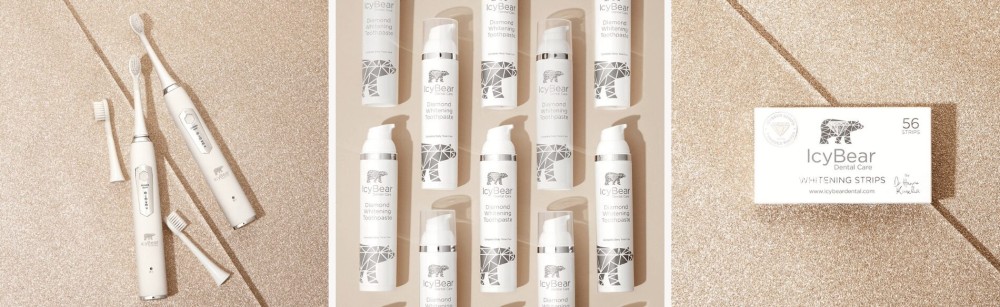
The ‘Power Smile Bundle’ by Icy Bear Dental is a fantastic option. Designed to enhance and maintain the appearance of your teeth, this features the Icy Bear Sonic Toothbrush (with an in-built 2-minute timer), Icy Bear Diamond Dust Toothpaste, and Icy Bear Whitening Strips – all for the affordable price of just £79.99. Use them in combination for a couple of weeks and, we guarantee, you’ll start to see and feel the difference.


Products to help improve your dental health


2. Cut down on snacks

Not only will this support your post-Christmas diet plan, it’s another brilliant dental resolution – that will help to improve your smile and avoid dental issues.

Every time you have a snack, bacteria in your mouth attacks the food and produces acid. Your mouth will eventually create saliva to neutralise this acid. But this can take up to 30 minutes or more – and, in the meantime, the acid can start to erode and weaken the enamel of your teeth.

That’s why it’s much better to stick to three meals a day. Try to cut down on sugary treats. And if you do say yes to a biscuit with your afternoon brew, be sure to follow it up with a drink of water.


3. Stay hydrated

It’s well known – getting enough water is essential to our health and wellbeing. But did you know, it can also make a huge difference to the condition and appearance of your teeth?

To promote dental health, you need to keep saliva flowing. Saliva plays a very important role, helping to neutralise the pH level in your mouth and washing away food matter and debris. And by regularly sipping a little water, you can easily promote its production.

Before you head out to work, just fill up your reusable bottle and make sure you get your recommended 6-8 glasses per day.


Staying hydrated to improve your smile


4. Quit smoking

This is the hardest dental resolution in our line-up, but it’s also one of the most beneficial.

Stop smoking and you can reap a wide range of health benefits, including improvements to the look of your teeth and your oral health. Tobacco is a major culprit for tooth staining and yellowing, and it can increase your risk of many dental problems – including gum disease and mouth cancer.

In our opinion, it’s a no-brainer. For the sake of your teeth, and your long-term health as a whole, make 2022 the year you finally commit to quitting.


5. Visit your dentist regularly

Not been to the dentist in a while? There’s no better time to start than now.

Here at Kiln Lane Dental, we’re currently taking on new members and offer an amazing membership plan for just £14.68 per month. This entitles you to several routine and hygiene appointments throughout 2022, and is a great way to ensure you visit us regularly and maintain your dental health. Just get in touch and we’ll arrange your first dental check-up as soon as possible.

We also offer a range of popular restorative and cosmetic treatments. So if you’re unhappy with your smile, why not book a consultation? Take the first step this January, meet with our professionals and invest in ‘new teeth’ for the new year.


The team at Kiln Lane Dental


Improve your smile in 2022 with Kiln Lane Dental

Making any New Year’s Resolution to enhance your dental health is a great choice – whether it be one of our ideas or one of your own. Just be kind to yourself if you have any setbacks and allow time for your new routines to solidify into habits.

It’s also worth remembering, we’re here to support you every step of the way.

Whether you’d like further tips on how to improve your smile and stick to your dental resolutions, or to discuss the treatments available at our practice, you’re always welcome to contact us. You can call the team at our St Helens dental practice at any time on 01744 25776. Or if you prefer, send an email to info@kilnlanedental.co.uk and we’ll respond as soon as we can.


Diastema – closing the gaps between your teeth – Kiln Lane Dental

Got a gap between your two front teeth? Diastema is a common issue that can be easily fixed.

Diastema

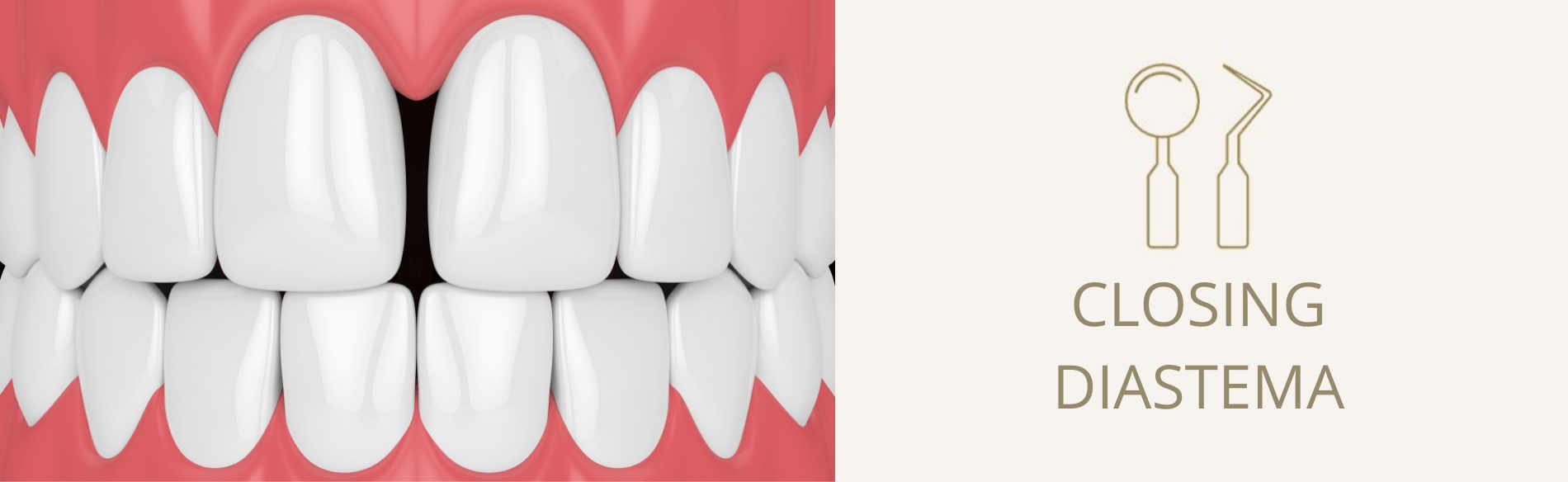
Probably not a word you’ve ever heard before. But it’s just the technical term for a pretty simple dental phenomenon – a gap between the two upper front teeth. Specifically, one that is wider than 0.5mm.

Some people embrace their diastema; it becomes part of their unique look. Think Madonna, Lauren Hutton, Georgia Jagger, and Elijah Wood.

But for others, it can be a part of their appearance they really dislike – a source of embarrassment even, that can have a huge effect on their confidence levels.

And if that sounds familiar, we can help.

Here we take a closer look at diastema teeth and the best ways to close that troublesome gap.

What causes diastema?

A diastema will most commonly appear between the two front teeth. However, they can form anywhere in the mouth and are often caused by a range of contributing factors, including:

  • The size of your teeth and jawbone

If a person’s teeth are too small, relative to the size of their jawbone, gaps may develop. Tooth and jawbone size can be genetic, which is often why gapped front teeth run in the family.

  • Tooth discrepancies

Similarly, a diastema can also develop between the two front teeth if some of the other teeth in that row are smaller than others – particularly the upper lateral incisors, or if you have a missing tooth.

  • Oversized labial frenum

The labial frenum is the tissue that connects the inside of your upper lip to the gum tissue above the upper front teeth. If this is especially large, this can cause a midline diastema to form.

  • Gum disease

Sometimes, a diastema can appear suddenly – and this rapid tooth movement can be a sign of advanced gum disease. Gum disease is an infection, in which inflammation of the gums damages the supporting tissue beneath the teeth, causing gaps.

  • Poor habits and irregular swallowing reflexes

Long-term pacifier and bottle use in children, thumb sucking, lip sucking, tongue thrusting, poor chewing habits and incorrect swallowing can all contribute to diastema. Over time, the repetitive pressure against the front teeth can push the teeth forward and create a sizeable gap.

  • Loss of primary teeth

Diastemata are very common as children lose their baby teeth. In fact, approximately 98% of 6 years olds will have a midline diastema and dentists consider it a normal dental phenomenon in childhood. These are usually temporary and will typically close as the permanent teeth appear.


Example of diastema


Should I be worried about my diastema?

This depends on why it has appeared.

If your gapped front teeth have an underlying cause – such as gum disease – it’s important to seek dental treatment for your oral health. Gum disease is a common condition, but it can lead to a range of unpleasant symptoms and dental complications. Therefore, you should address the issue with periodontal treatment as soon as possible.

If your diastema is nothing more than a cosmetic issue, and you have no other symptoms, dental treatment isn’t strictly necessary. The diastema is not a health concern and it won’t do you any harm to leave it as it is. But if you dislike its appearance, it is possible to seek the help of a dentist.

Closing your diastema with orthodontic treatment

Here at Kiln Lane Dental, we currently offer several diastema treatments that help to close the gap between teeth.

There are several orthodontic treatment options, including:

Invisalign is a popular procedure for crooked teeth and gaps. By applying gentle pressure, a custom-built series of clear aligners can be used to push the two front teeth little by little, until the gap has been successfully closed.

Dental bonding is a pain-free and minimally invasive approach, with impressive results. Composite resin (that has been perfectly matched to your natural tooth colour) can be used to, essentially, fill in the diastema – getting rid of the gap without the need for drills.

Porcelain veneers are also a common cosmetic treatment for gapped front teeth. Fitted to the surface of the enamel, they hide the diastema and create a full, even smile.


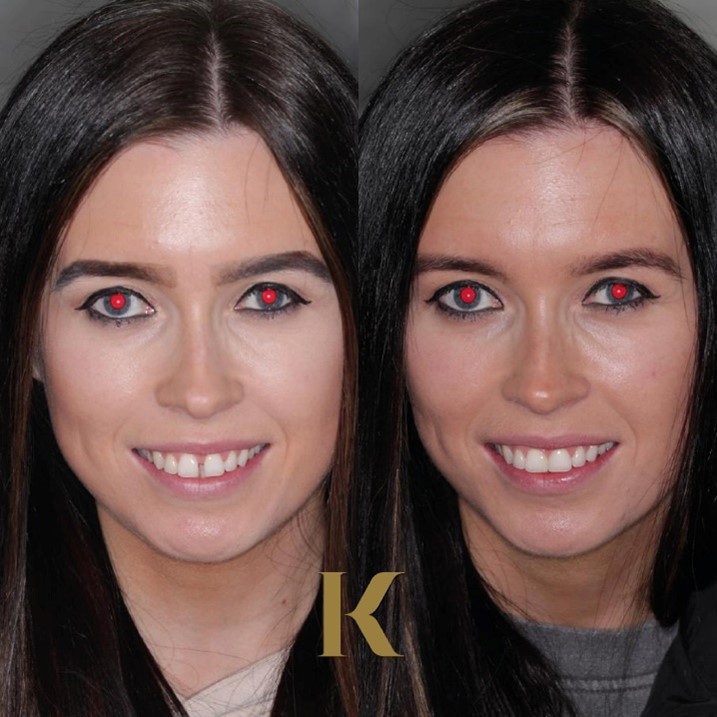
Woman who had treatment to close diastema at Kiln Lane Dental


The right treatment for you will depend on the severity and cause of your diastema. And for tailored advice, we recommend getting in touch with our team of specialists. Not only can we offer tips on general oral hygiene – and the best ways to prevent gapped front teeth – we can talk you through the treatment options available at our clinic and advise on the best one for your requirements.

As stated above, treatment for diastema isn’t essential. But gaps between teeth are a dental complaint that many people wish to address for a variety of different reasons. And if you’d like to close any gaps in your teeth, the friendly team at our St Helens dental clinic are always happy to help.

So, why not get in touch? To arrange your consultation, and find out more about diastema closure, either give us a call on 01744 25774 or send an email to info@kilnlanedental.co.uk and a member of the team will get back to you.


Manual vs. electric toothbrush

Everybody knows that brushing your teeth is essential for good oral health.

The questions is, what should you be brushing with – an electric or manual toothbrush?

With claims such as ‘100% plaque removal’ and ‘sonic technology’, it’s easy to assume that electric models are more effective. But is that really the case? It’s a question we get asked all the time, here at Kiln Lane Dental. And so, here, our dental experts attempt to clear up some of the confusion.


Are electric toothbrushes better?

It’s fair to say, electric toothbrushes do offer a number of advantages. For example:


  • they clean hard-to-reach areas

Most models have a small, round head that oscillates (i.e. rotates) and vibrates. As a result, they make it a little easier to reach awkward areas – such as the very back of the mouth – and the micro-movements created by the vibrations can help to remove plaque.

Clinical trials have shown that, due to these features, electric toothbrushes can remove more plaque over time and may help your teeth and gums to stay healthy in the long term. But it’s important to note, this benefit (compared with a regular toothbrush) is only very slight.


  • they have useful extra features

The key to brushing is doing it gently and for long enough, systematically cleaning the inside and outside surface of each tooth – and an electric toothbrush can help with this.

Most have an in-built timer that will buzz when sufficient time has passed. Some have interval timers, which signal when you should move on to the next section. They may also have pressure sensors, which indicate if you’re brushing too hard and damaging your gums.

Collectively, these features can help you to focus and improve your overall brushing technique.


  • they’re easy to use

An electric toothbrush will do all the hard work for you. Just hold the brush head over each tooth and let it work its magic. It’s as simple as that. And as a result, they’re often a good option for children (who usually need to be supervised to ensure they’re brushing correctly) and anyone with limited mobility (e.g. people with carpal tunnel, arthritis, Parkinson’s).

Of course, electric toothbrushes do have some disadvantages too – primarily, their cost. Priced anywhere between £30-£200, depending on the model chosen, they’re much more expensive than a manual brush. And the replacement brush heads can be pretty pricey too. So it’s worth considering, do the benefits outlined above really justify this extra expense? We’re not fully convinced…


Manual vs electric toothbrush


It’s how you use it that matters

When it comes to maintaining your oral health, most dental professionals will agree – how you brush your teeth is a lot more important than what you use to brush them. Rather than worrying about whether a manual vs. electric toothbrush is better, you should focus on brushing correctly.

For example, you should:

– brush twice a day, once in the morning and once in the evening before bed

– brush for a minimum of two minutes each time

– floss regularly, to remove plaque from areas that can’t be reached with a brush

– use high-quality fluoride toothpaste, such as Icy Bear Diamond Dust

– avoid rinsing with water after you have brushed, as this will remove the fluoride

Yes. Thanks to their high-tech features (e.g. built-in timers, oscillating bristles etc.) electric models can sometimes help to improve your brushing technique. But ultimately, the same outcome can be achieved with both an electric and manual toothbrush. Both will remove plaque and keep your mouth healthy. And the best option for you simply comes down to personal preference.


Still not sure whether to use an electric or manual toothbrush?

You’re welcome to contact our dentists for a chat. After all, this is our area of expertise. We’re always happy to offer our advice – whether that be on the pros and cons of a manual vs. electric toothbrush, or more generally, the best ways to keep your teeth and mouth healthy.

It may even be worth booking a routine examination or an appointment with our dental hygienist at our St Helens dental clinic to discuss your oral health in detail and ensure that every tooth is in tip-top shape. Either give us a call on 01744 25776 or send an email to info@kilnlanedental.co.uk and we’ll get back to you.